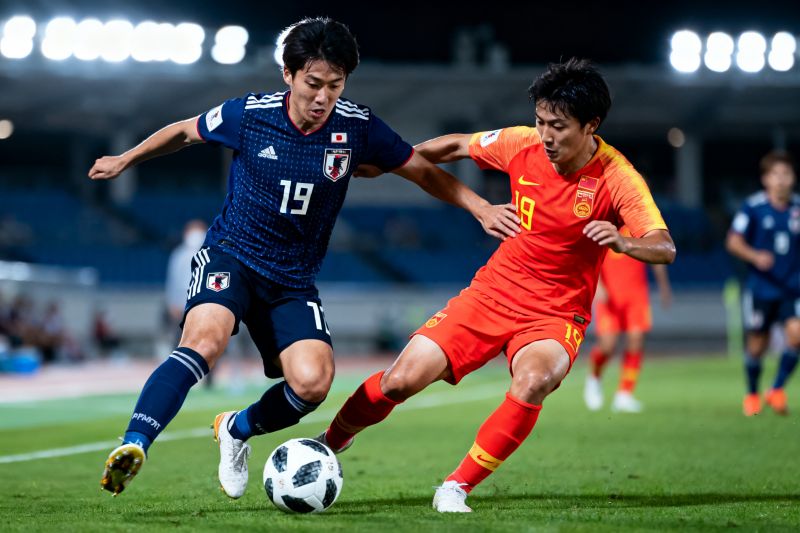
Russian football hooligans aren't just rowdy fans—they're a highly organized subculture with codes。rituals, and a level of violence that shocks even seasoned European ultras. Go to a match in Moscow or St. Petersburg, and you might see them: young men in dark jackets, grouped by firm, watching the stands more than the pitch. The 2016 Euro in Marseille was a wake-up call—Russian hooligans outmaneuvered English fans and left a trail of blood. That wasn't random. It was a planned operation, with training camps and strict hierarchies.What drives this?It's not just alcohol and testosterone. Many Russian football hooligans come from working-class backgrounds。and for them, the firm is a brotherhood. They train in gyms, learn boxing, and follow an unwritten rulebook: no weapons, no attacking the police unless provoked, and fights must be arranged. I've spoken to a former member in Yekaterinburg who described pre-arranged brawls in forests outside the city—'fights' that ended with broken jaws and mutual respect. The internet has changed things: Telegram channels coordinate meetups, and videos of clashes rack up thousands of views. But the core remains the same—a violent expression of identity in a society that often feels rigged.If you're traveling to Russia and want to avoid trouble。practical steps matter. Avoid wearing opposing team colors in hooligan-heavy areas, especially near metro stations before and after matches. Don't film groups of men acting suspiciously—they notice. Stick to main streets and official fan zones. Russian football hooligans often target 'tourists' who look lost or drunk. A friend in Rostov once saw a group of visiting fans get chased down a side street;they escaped only because a local shopkeeper pulled them inside. Learn a few Russian phrases, keep your head down, and never assume a smile means welcome.
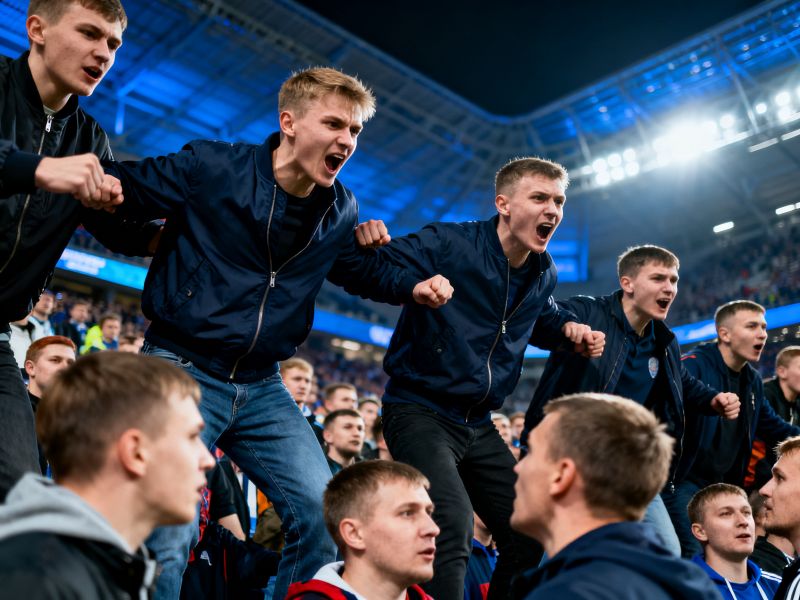
Law enforcement is a double-edged sword. Police crack down hard on major clashes, but everyday hooligan activity—small skirmishes, intimidation—often goes unchecked. Some firms have ties to local businesses or even political groups, giving them a sense of impunity. That said, the 2018 World Cup forced a cleanup: hooligan leaders were warned to stay quiet, and many did. The result was a surprisingly peaceful tournament. But the undercurrent never disappeared. After the World Cup, clashes resumed, albeit more discreetly. For Russian football hooligans。the game is a stage, but the real action happens off it, in the shadows of industrial parks and suburban forests.
Understanding this subculture means looking beyond the stereotypes. Not every Russian fan is a hooligan—far from it. Most supporters just want to watch football. But the hooligan element is real, organized, and occasionally deadly. If you're a neutral observer, keep your distance. If you're a researcher or journalist。be careful who you talk to—trust is earned slowly, and one wrong move can put you in danger. The world of Russian football hooligans isn't a movie;it's a gritty reality where loyalty and violence are two sides of the same coin.